Solukhumbu is a district located in the eastern part of Nepal, within Province 1. It is widely known as the
gateway to the Everest Region, making it one of Nepal's top trekking destinations. The region is famous for
its dramatic landscapes, Sherpa culture, and of course, Mount Everest (Sagarmatha), the highest peak in the
world.
Province 1 itself is a diverse region, offering everything from high mountain trekking to wildlife
adventures in the lowland Terai areas.Province 1 of Nepal is a diverse region that offers a wide range of
tourism experiences, from high mountain trekking to wildlife adventures in the lowland Terai areas. This
province is home to some of Nepal's most famous trekking destinations, including the Everest and
Kanchenjunga regions, as well as lush forests and wildlife reserves in the Terai.
Mount Everest
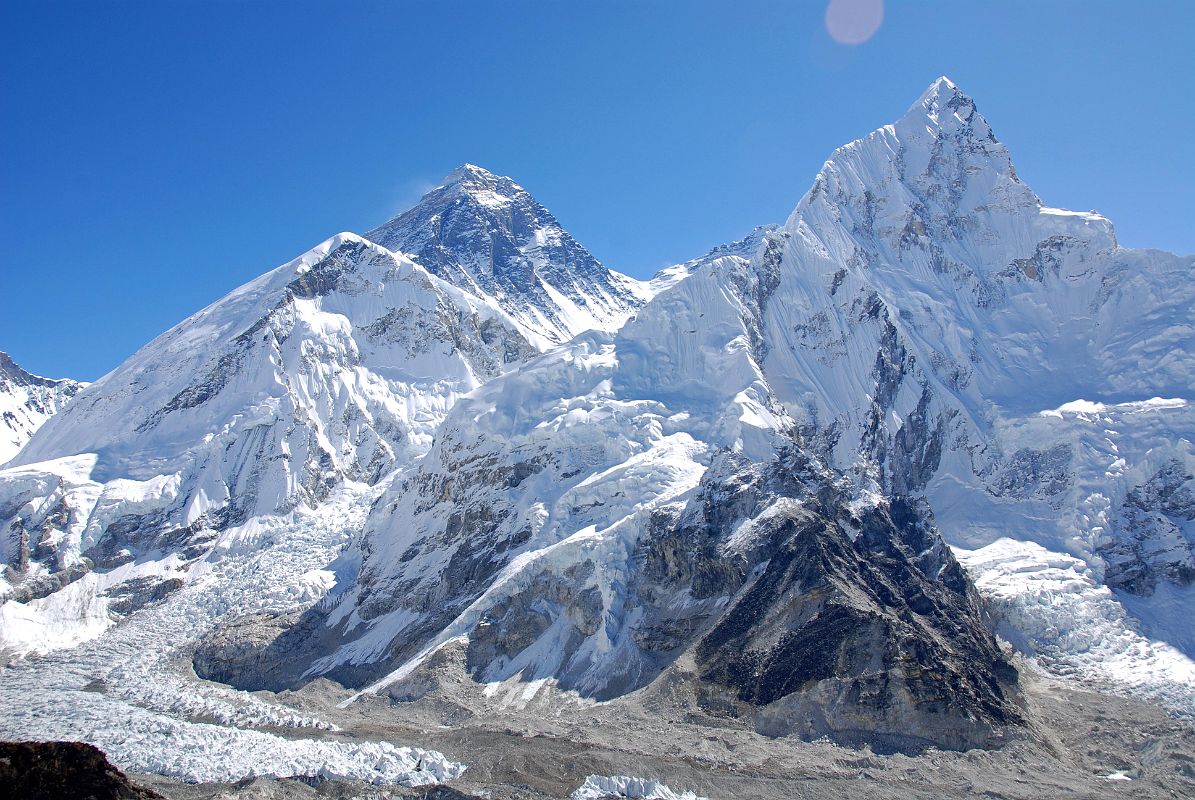
Mount Everest, the highest peak in the world, stands tall at 8,848.86 meters and is the
crown jewel of the
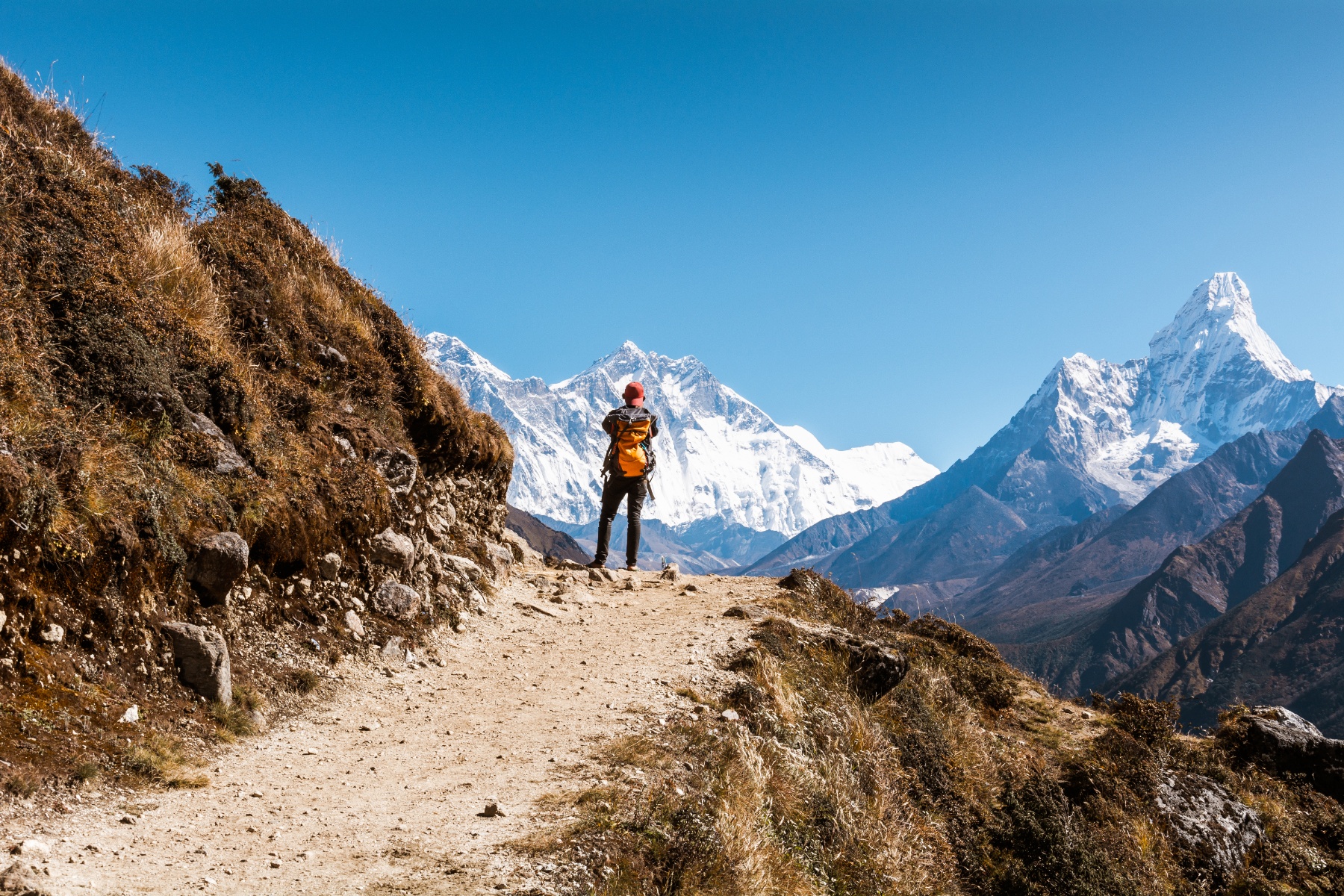
Sagarmatha National Park in the Everest region. The Everest Base Camp Trek is one of the most popular
trekking routes in the world, offering awe-inspiring views of the surrounding peaks, including Lhotse (8,516
meters), Nuptse, and Amadablam. The trek takes you through Sherpa villages, Buddhist monasteries, and lush
forests, with an unforgettable experience of witnessing the towering mountains up close.
Makalu
Makalu, the fifth-highest mountain in the world at 8,485 meters, is another prominent peak in
Province 1.
Located in the Makalu-Barun National Park, it is one of the most rugged and remote regions in Nepal. The
Makalu Base Camp Trek offers an adventure through diverse landscapes, from subtropical forests to alpine
meadows and high mountain glaciers. This trek is for those seeking a less crowded and more challenging
adventure in the Himalayas.
Lhotse
Lhotse, located near Everest, is known for its steep ridges and towering height of 8,516
meters. The Lhotse
Face, a near-vertical rock wall, is a popular challenge for climbers. While it is often overshadowed by
Everest, Lhotse offers equally stunning views and challenging trekking routes for those interested in
high-altitude trekking.
Beyond the majestic peaks, Province 1 offers several other beautiful destinations that highlight the
region’s natural beauty and cultural heritage.
Ilam
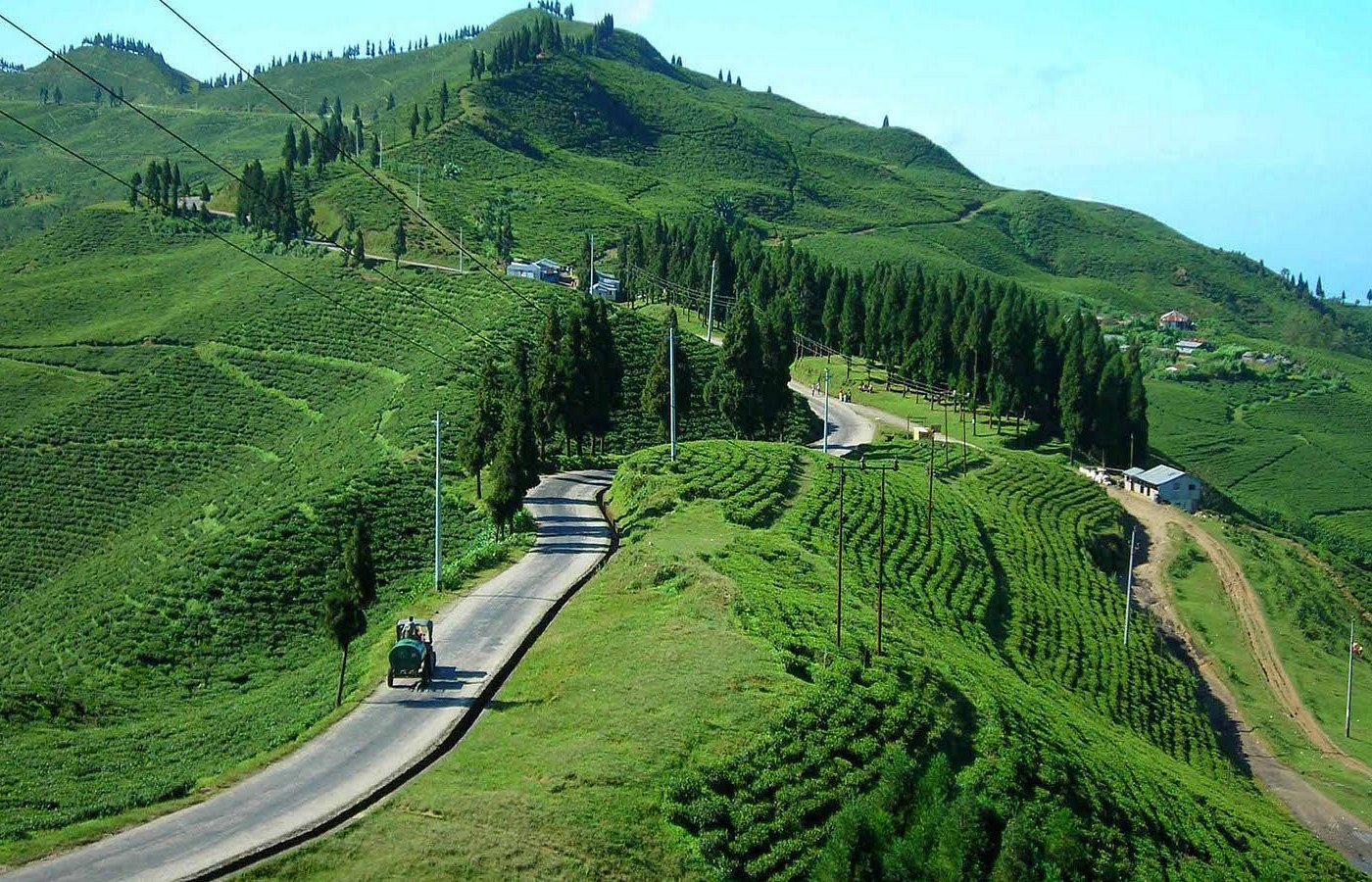
Ilam, a peaceful hill station located in the southeastern part of Province 1, is known for its
lush green
tea gardens, scenic views of the Kanchenjunga range, and tranquil environment. It is an ideal destination
for nature lovers and those seeking a calm retreat, with attractions like Kanyam Tea Gardens and the Ilām
Bazaar providing a charming rural experience.
Taplejung
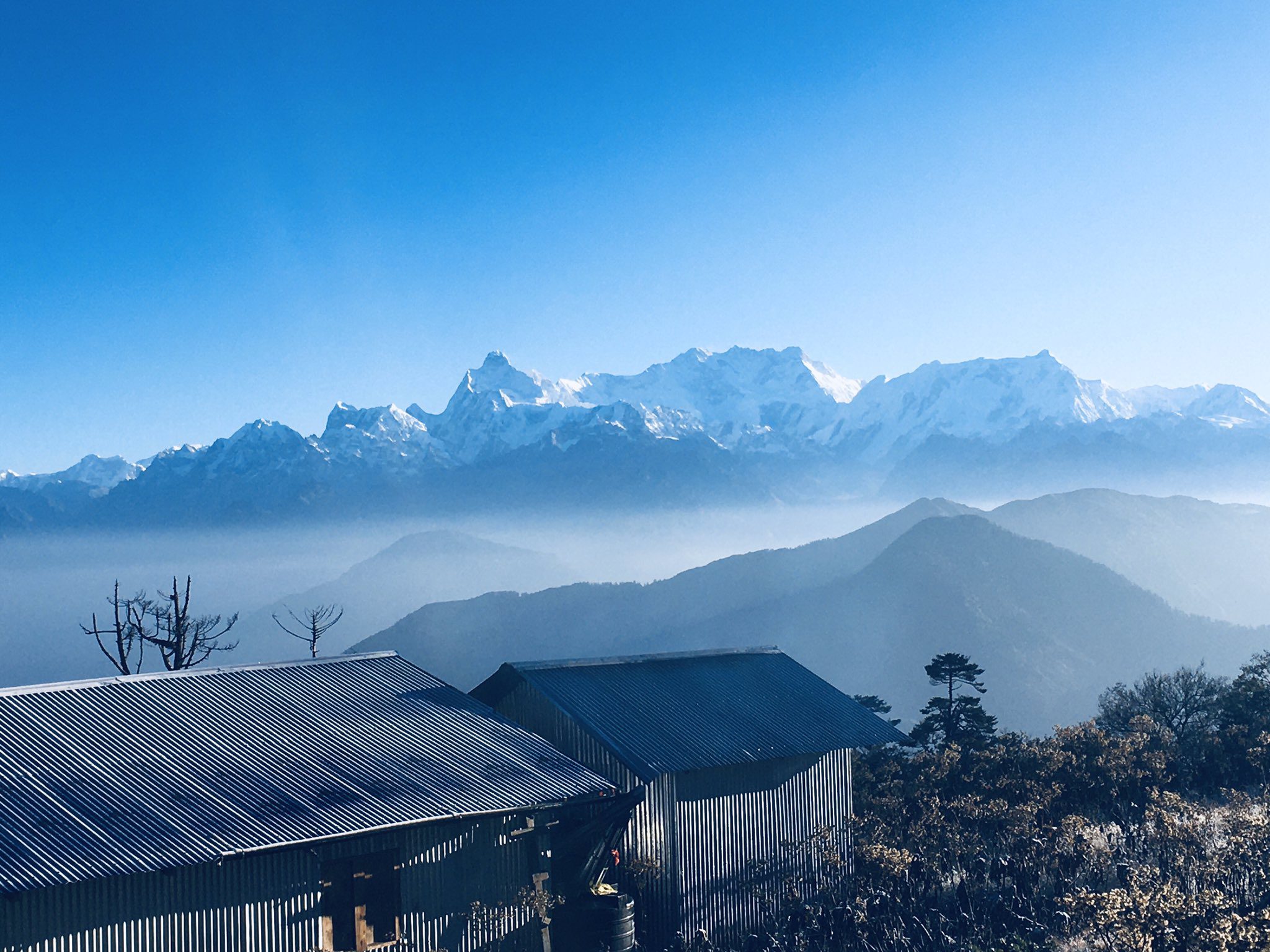
Taplejung, situated in the easternmost corner of Province 1, is a gateway to the Kanchanjunga
Conservation
Area and offers trekking routes that lead to the Kanchanjunga Base Camp. This area is less crowded than
Everest and Makalu, offering trekkers a chance to explore unspoiled nature, along with stunning views of
Kanchanjunga, the third-highest peak in the world.
Gokyo Ri
Gokyo Ri, a peak located at an altitude of 5,357 meters (17,575 feet), is one of the most
popular trekking
spots in the Everest region, known for its panoramic views of the Everest massif and surrounding peaks. From
the summit of Gokyo Ri, trekkers are treated to a magnificent vista that includes Mount Everest, Lhotse,
Makalu, Cho Oyu, and several other majestic mountains. The trek to Gokyo Ri is challenging but rewarding,
with trekkers passing through the serene Gokyo Lakes and the traditional Sherpa villages along the way
Why visit Solukhumbu?
Gateway to Mount Everest:
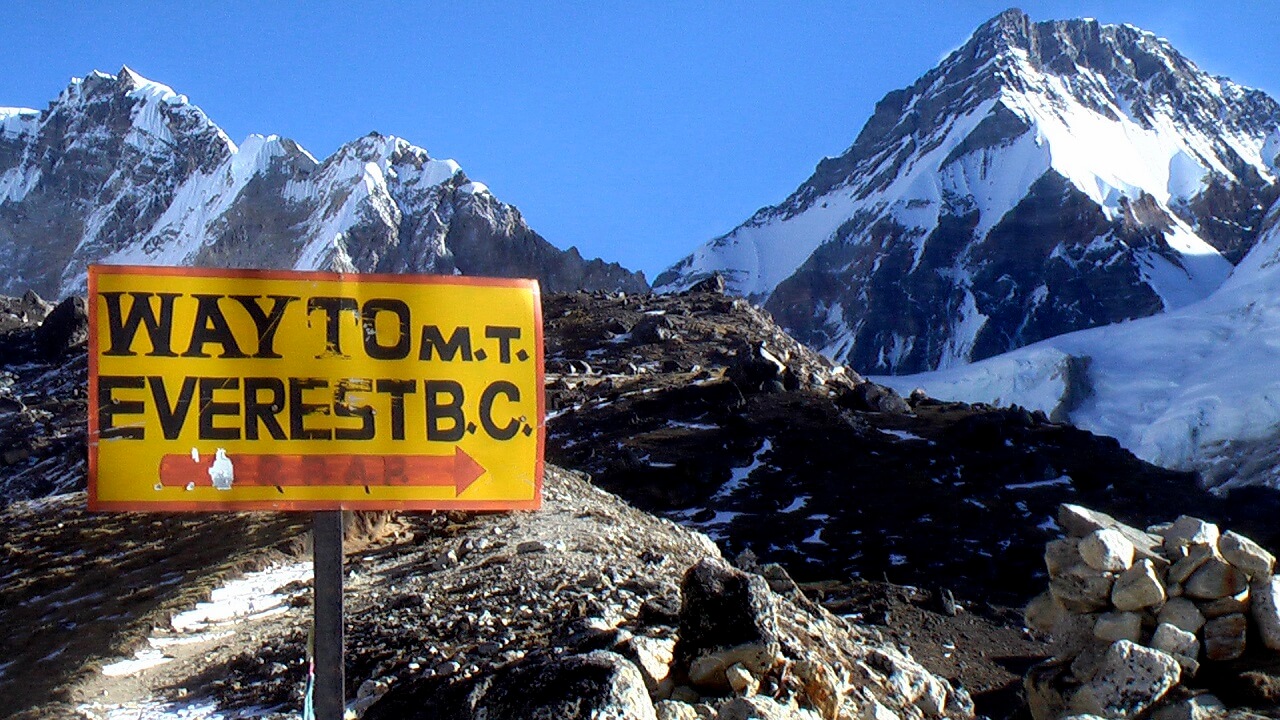
Solukhumbu is home to Everest Base Camp, one of the most iconic trekking destinations
in the world. Trekkers come from all corners of the globe to embark on the journey to Everest Base Camp, where
they can witness the world’s highest peak, Mount Everest (8,848 meters), up close. The trek provides spectacular
views of surrounding mountains like Lhotse, Makalu, Nuptse, and Ama Dablam. The challenging trek through the
Khumbu region, with its picturesque villages and stunning landscapes, makes Solukhumbu a dream destination for
adventure seekers.
Rich Sherpa Culture:
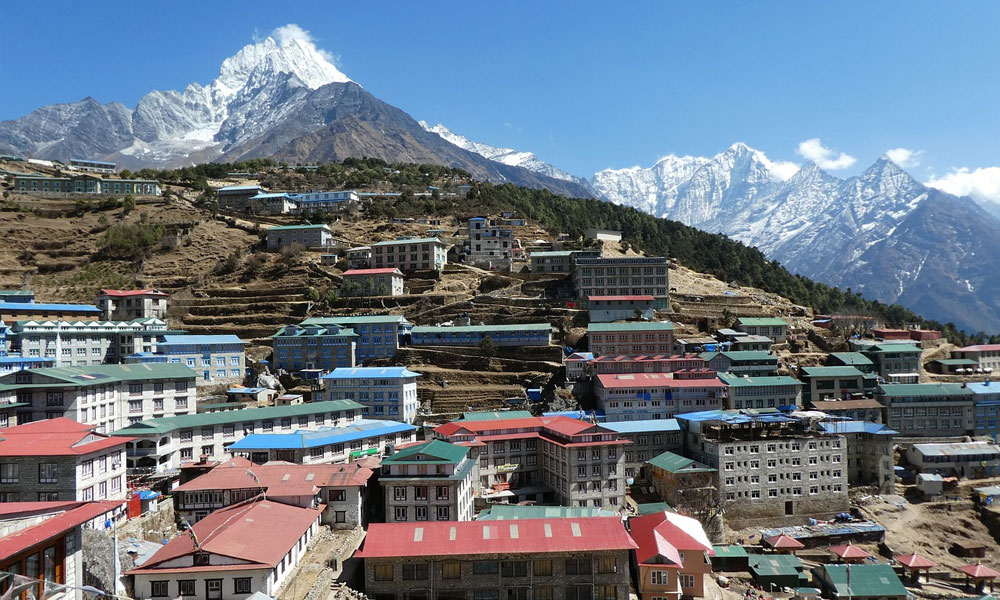
Solukhumbu is the home of the Sherpa people, a unique ethnic group known for their
mountaineering expertise and deep-rooted Buddhist traditions. Visitors can explore Sherpa villages like Namche
Bazaar and Phakding, where you can learn about their culture, customs, and daily life. The region also boasts
beautiful monasteries and stupas, including the famous Tengboche Monastery, offering a spiritual experience
alongside the trekking adventure.
Breathtaking Natural Beauty:
The landscapes of Solukhumbu are nothing short of spectacular. The region is
blessed with lush forests, rushing rivers, alpine meadows, and rugged mountain terrain. Sagarmatha National
Park, a UNESCO World Heritage Site, protects the area’s incredible biodiversity, including endangered species
like the snow leopard, red panda, and Himalayan tahr. The pristine beauty of the region, with its towering peaks
and serene valleys, is perfect for nature photography, hiking, and camping.
Trekking Adventures for All Levels:
Whether you are an experienced mountaineer or a casual hiker, Solukhumbu has
trekking routes to suit every skill level. Popular treks include the Everest Base Camp Trek, the Gokyo Lakes
Trek, and the Three Passes Trek. Each offers unique perspectives of the Everest region, with opportunities to
explore lesser-known areas, glaciers, and remote valleys. For those seeking a more relaxed trek, the Everest
View Trek offers stunning views of Everest without the demanding climb to Base Camp.
Adventure and Wildlife:
In addition to trekking, Solukhumbu offers opportunities for wildlife spotting,
including bird watching and exploring Sagarmatha National Park’s diverse ecosystems. The region is home to
several rare species, including the Himalayan Monal, Tibetan Snowcock, and Himalayan Griffon. For the adrenaline
junkies, there are opportunities for mountain biking, rock climbing, and paragliding in the region.