Farwest
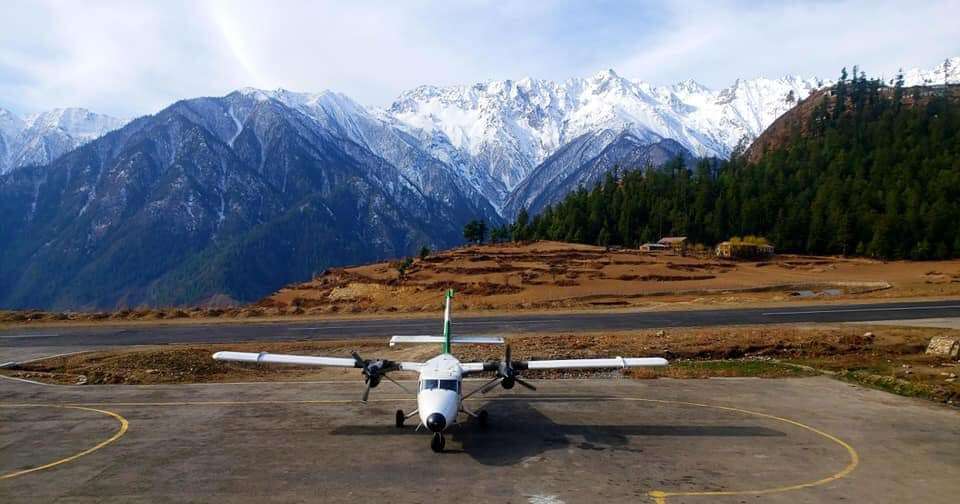
Scudurpashchim Province, also known as Far Western Nepal, is located in the farthest region of Nepal,
bordering India to the west and north. This province is known for its diverse landscapes, from the lowland
Terai plains to the rugged Himalayan foothills, offering a mix of cultural heritage, natural beauty, and
adventure. Far West Nepal is relatively less developed compared to other regions, which gives it a unique
and off-the-beaten-path charm for travelers seeking to explore rural and untouched areas.
Karnali Province is located in the mid-western part of Nepal, named after the Karnali River, which flows
through the region. It is known for its unspoiled natural beauty, rugged mountains, dense forests, and
remote villages. Karnali is one of the least developed regions of Nepal, but it holds immense potential for
ecotourism, trekking, and cultural experiences. The province is a peaceful retreat for those seeking
adventure, tranquility, and a glimpse of traditional Nepali life.
Api Himal
Api Himal is located in the remote Api Nampa Conservation Area near the Tibet border. This
stunning region is
home to the towering Api Himal peak, offering trekkers breathtaking views of snow-capped mountains,
glaciers, alpine forests, and diverse wildlife. Trekking in this area provides a chance to explore the
culture of local communities, including Rai, Limbu, and Tibetan people.
Badimalika
Another key destination is Badimalika, a sacred religious site in the Bajura District. The
Badimalika Temple
attracts pilgrims and trekkers alike, offering not just spiritual significance but also trekking routes with
panoramic views of the Himalayas, including Api Himal. The blend of religious heritage and natural beauty
makes it a special spot for those interested in both culture and adventure.
Khaptad
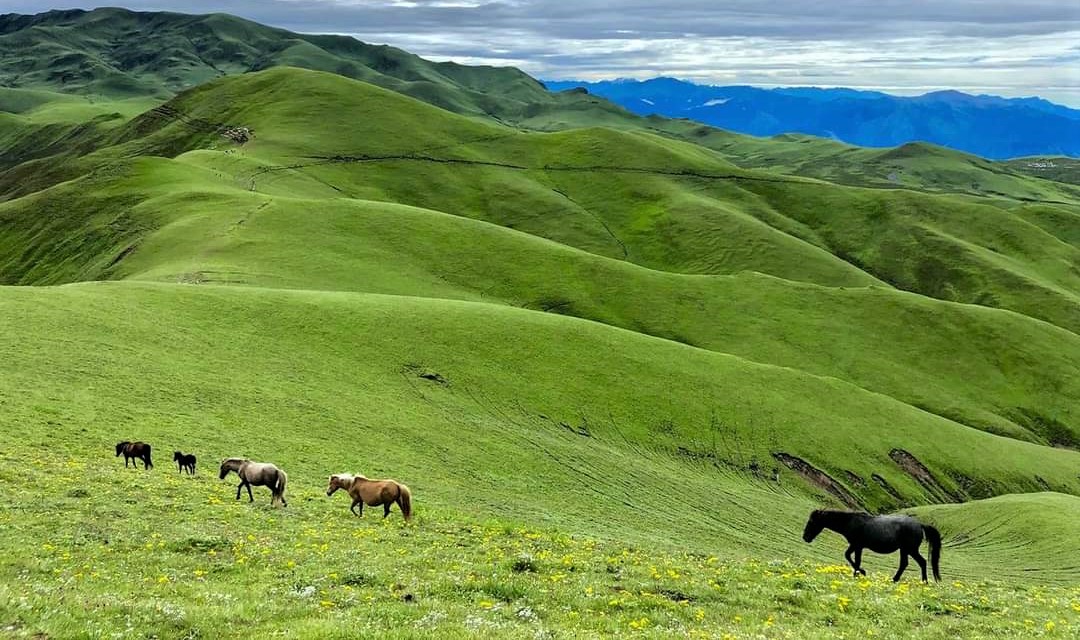
Khaptad, located within the Khaptad National Park, is a tranquil escape, known for its lush
meadows, rich
biodiversity, and the sacred Khaptad Baba Ashram. The park is a haven for nature lovers, offering
opportunities for wildlife spotting, trekking, and experiencing the peaceful spiritual atmosphere that has
drawn visitors for generations. It’s a unique destination where visitors can connect with both nature and
spirituality.
Dolpa
Dolpa is another must-visit region, offering some of the most remote and untouched landscapes in
Nepal.
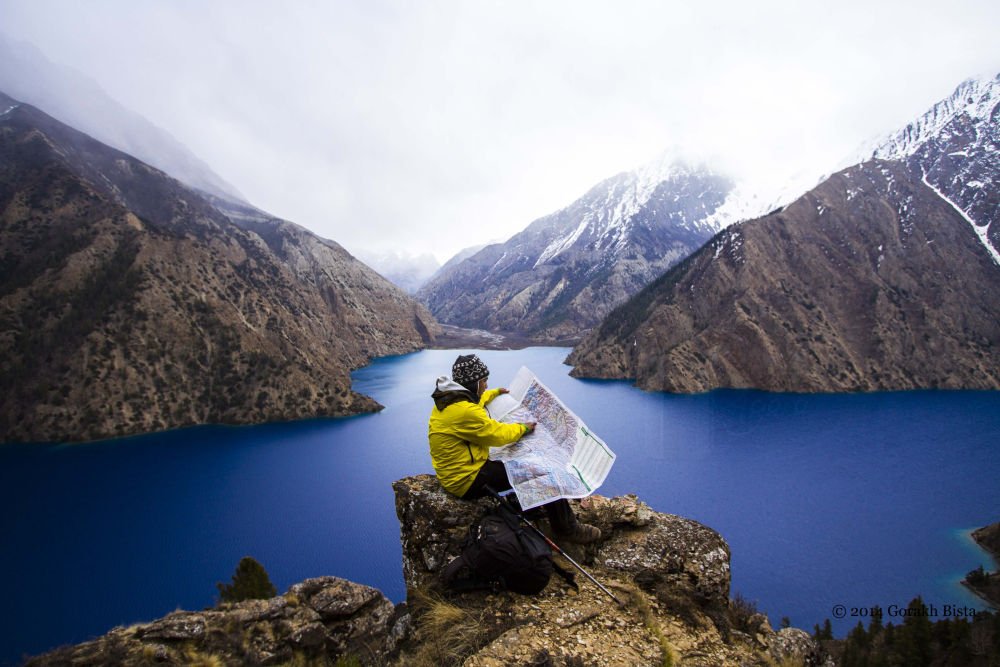
Famous for the stunning Phoksundo Lake and the Shey Phoksundo National Park, Dolpa is a dream destination
for trekkers seeking high-altitude treks. The trek to Upper Dolpo provides a rare opportunity to explore
Tibetan Buddhist culture and pristine nature, with monasteries like Shey Gompa standing as symbols of the
area's spiritual richness.
Bajhang
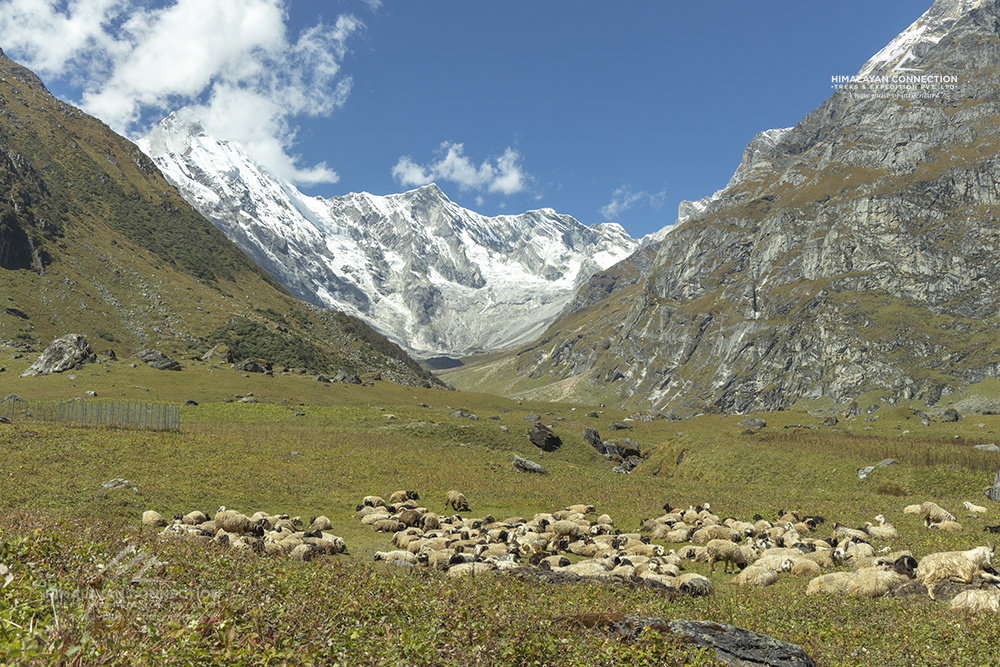
Bajhang, known for its rolling hills, forests, and traditional villages, offers a peaceful
retreat for those
looking to explore authentic rural life. The region is not yet heavily commercialized, making it ideal for
those seeking a more intimate connection with nature and culture. Bajhang offers the chance to trek through
serene landscapes, visit local villages, and experience the hospitality of the people.
Why visit Farwest Nepal?
Unspoiled Natural Beauty:
Both provinces offer some of Nepal's most pristine landscapes, ranging from
lush
jungles and rivers in Karnali to the high-altitude lakes and mountains in Sudurpashchim.
Cultural Diversity:
The provinces are home to numerous ethnic communities, providing rich cultural
experiences
and insights into traditional Nepali life.
Adventure:
For adventure lovers, trekking, rafting, and wildlife safaris are popular activities in
both regions.
Peace and Tranquility: These remote regions offer a peaceful retreat away from the hustle and bustle of urban
life, making it an ideal destination for those seeking solitude and spiritual connection with nature.
Unique Wildlife:
With national parks like Shuklaphanta, Bardiya, and Rara National Park, both regions
are rich
in wildlife, including rare species like the Bengal tiger, one-horned rhinoceros, and snow leopards.